Guides
What does Nevada gaming compliance mean for Las Vegas ATM routes?
An atm route in Las Vegas faces unique Nevada Gaming Control Board rules near casino floors, money transmitter registration, and tourism-driven cash runs.
What to take away
- Running an atm route in Las Vegas means Nevada Gaming Control Board rules apply when a machine sits near a casino floor, plus state money transmitter registration if you transmit funds.
- Las Vegas seasonal tourism swings cash demand hard, so replenishment schedules need to track convention calendars and holiday weekends, not a fixed weekly loop.
- Resort placement agreements often control vault access, service hours and cash handling, which changes how you staff and insure a route.
- Downtime in a 24-hour market costs more than the repair bill; service windows and spare parts matter more here than in a 9-to-5 city.
Nevada gaming compliance for ATMs on or near casino floors
A Las Vegas ATM route is not just a machine in a bar. When an ATM sits on or near a casino floor, the Nevada Gaming Control Board treats it as part of a regulated environment. That changes who can service it, when, and what records you keep.
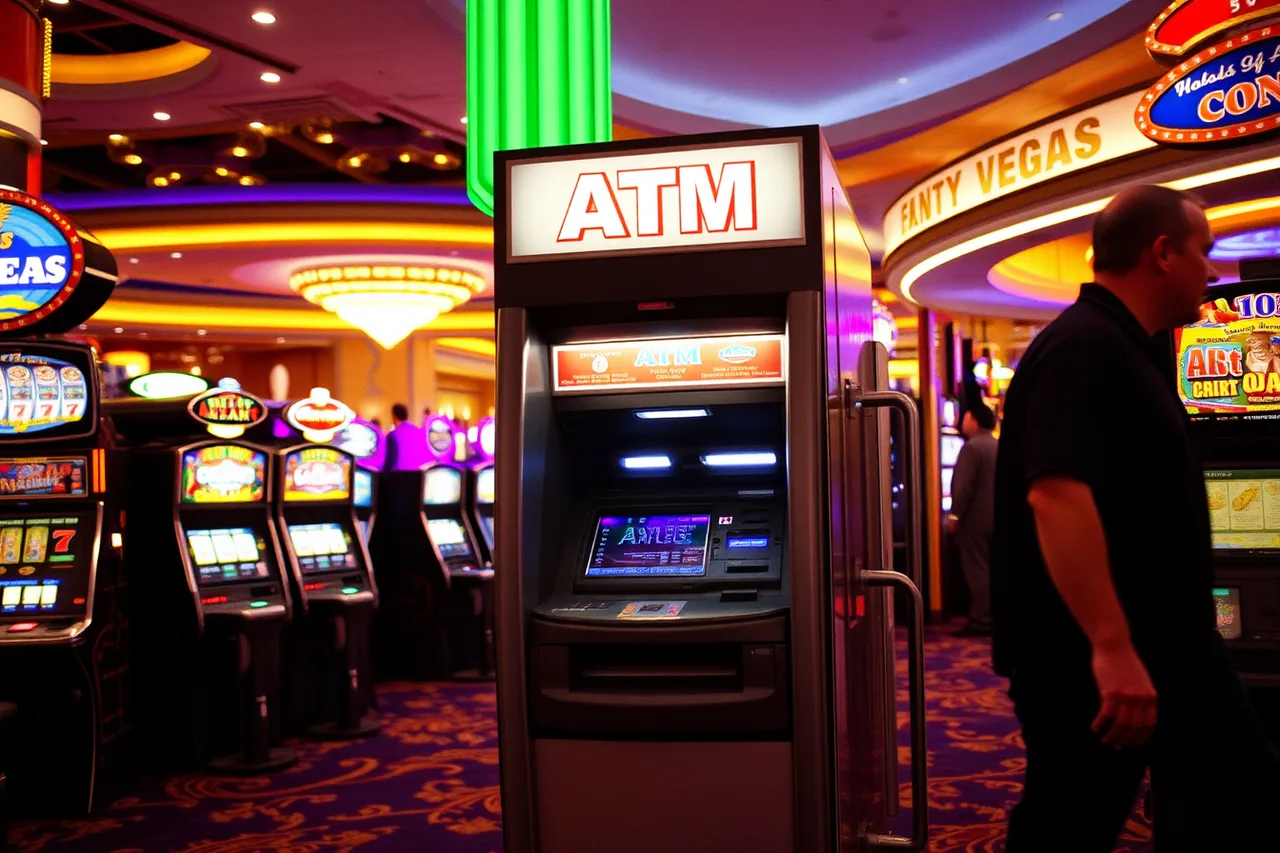
Casinos, bars, nightclubs and tourist venues generate steady withdrawal volume, but the same foot traffic that makes a machine profitable also invites scrutiny. Regulators want to know the cash is clean and the machine is not a front for something else.
That is why a Las Vegas ATM route needs more than a business license. It needs a compliance file that names the venues, the machine locations, the cash couriers and the service techs. If a machine sits inside a gaming property, the property's own compliance team will ask for that file before you install.
For operators coming from Texas, Florida or Arizona, the jump in scrutiny is real. Those states regulate money transmission and local placement, but they do not have a gaming control board watching the floor. Nevada does.
Nevada Gaming Control Board rules for ATMs near gaming areas
The Nevada Gaming Control Board regulates gaming, not ATMs directly. But its rules reach ATMs placed in restricted gaming areas, because cash access on the floor can affect patron conduct and reporting.
The NGCB's Regulation 5.010, which covers cash access devices, sets three requirements. First, the property's gaming license conditions may limit where an ATM can sit. Second, the board can require the operator to identify ownership and funding sources. Third, the board expects the property to know who is servicing the machine.
A route operator should expect to sign an addendum to the property's vendor list. That addendum usually names the ATM owner, the cash supplier and the service company. If any of those change, the property must update the board.
ATMs in Nevada bars and taverns with restricted gaming licenses face similar treatment. A machine near a video poker machine is not the same as a machine in a grocery store. The closer to gaming, the more paperwork.
This is where a general Licenses and compliance file helps. Keep ownership documents, service contracts and cash courier details in one place, because a casino compliance officer may ask for them with little notice.
Nevada does not require a separate ATM operator license for every machine. It does require the property to account for the machine as part of its regulated environment. That distinction trips up new route owners.
If you place a machine in a casino-adjacent gift shop, the rules may be lighter than for a machine on the floor itself. But the boundary is not always obvious. Ask the property's compliance team before you drill a hole in the wall.
Nevada money transmitter registration for route operators
Nevada requires money transmitter registration for businesses that transmit money on behalf of others. An ATM route that only dispenses cash from its own funds may not need it. An ATM route that accepts deposits, processes bill payments or moves funds for a venue likely does.
The line matters because Nevada's registration is not cheap or quick. The statute is NRS 671, administered by the Nevada Financial Institutions Division. A surety bond of $50,000 is typical, and the registration fee is $1,000, though the Division should confirm current figures. The state treats money transmission as a trust business, not a side hustle.
At the federal level, FinCEN requires MSB registration if you are a money services business. Most ATM operators register as MSBs even when state law is ambiguous, because banks and processors ask for the number. That registration carries Bank Secrecy Act anti-money laundering duties.
State regimes vary, and the Money transmitter - Wikipedia overview is a useful starting point for how Nevada fits the national pattern. Nevada's regulator sits alongside Texas, Florida and New York in requiring a license for transmission activity.
If you buy an existing Las Vegas ATM route, check the seller's registration status before closing. A lapsed registration can freeze bank accounts and halt cash delivery. It can also void a placement agreement if the contract requires compliance with law.
Route operators should also watch IRS reporting. Form 1099-K may apply to card transactions, and 1099-MISC may apply to certain payments. Those forms do not replace state registration, but they do create a paper trail that regulators can follow.
Placement agreements inside and outside resort properties
A resort property placement agreement is not the same as a bar placement agreement. Resorts want control over cash, access and branding. They may also want a cut of the surcharge or a flat monthly fee.
Typical resort surcharges run $4.00 to $5.00 per transaction, with the property taking 30% to 50% of that. Street placements often see $2.50 to $3.50 surcharges, with 10% to 25% commissions or a flat monthly fee. These are typical ranges; the actual split depends on foot traffic and contract terms.
Inside a resort, the property often owns the cash in the machine. That means the property handles replenishment and you handle service. Outside, on the Strip or in a locals casino, you may own the cash and carry the risk.
Read every placement agreement with a skeptical eye. Look for exclusivity clauses, termination notice, equipment removal rights and indemnity. A resort can terminate on short notice if a machine causes a guest complaint.
Access is the hidden cost. A machine in a resort back-of-house area may only be serviceable during specific hours. A machine on the casino floor may require an escort. Those rules affect how many stops a tech can complete in a shift.
Outside resort properties, independent bars and convenience stores are simpler but less lucrative. They may allow 24-hour access and lower fees. The trade-off is volume and foot traffic.
A mixed route, some resort machines and some street machines, can balance risk. But it also means two sets of rules, two sets of contacts and two cash schedules. Staff need to know which is which.
Seasonal tourism and cash replenishment scheduling on the Strip
Las Vegas seasonal tourism patterns drive cash demand. Convention weeks, holiday weekends and major events fill hotel rooms and casinos. Demand for cash rises with occupancy; a machine that needs one load in a slow week may need three or four during a major convention, a typical range across Strip venues.
A fixed weekly replenishment schedule will fail in this market. A machine that needs one cash load in July may need three during a major convention. The opposite is true in the slow weeks after New Year.
Cash replenishment scheduling should follow the city's calendar. Build a forecast around convention dates such as CES in January, the National Finals Rodeo in December, and major fight weekends, plus music festivals and major holidays. Then add a buffer for the machines with the highest withdrawal averages.
The Federal Reserve's payments research, including the Federal Reserve Board - Federal Reserve Payments Study (FRPS), tracks cash and ATM transaction trends nationally. Use it to sanity-check your assumptions about cash demand, not to predict a single venue.
Cash supply also depends on bank and courier hours. The Federal Reserve Board - Holidays Observed - K.8 schedule shows when Federal Reserve Banks are closed, which affects settlement and cash delivery timing. A holiday Monday can push a replenishment run by a day.
The Federal Reserve Board - Currency page explains how notes are issued and circulated. That matters when you order cash and when you return unfit notes. A clean cash cycle keeps machines running and auditors happy.
Route operators should also track their own data. Withdrawal counts per machine, per day, per event. That data turns a guess into a schedule. It also helps when a venue asks why a machine ran empty.
A good ATM route schedule in Las Vegas is event-driven, not calendar-driven. It changes with the city. That is the opposite of how routes work in most metros.
Downtime risk and service windows in a round-the-clock market
A machine that is down at 2 a.m. on a Saturday is losing money at the highest rate of the week. Downtime here is not just a repair bill; it is lost surcharge revenue and a damaged relationship with the venue.
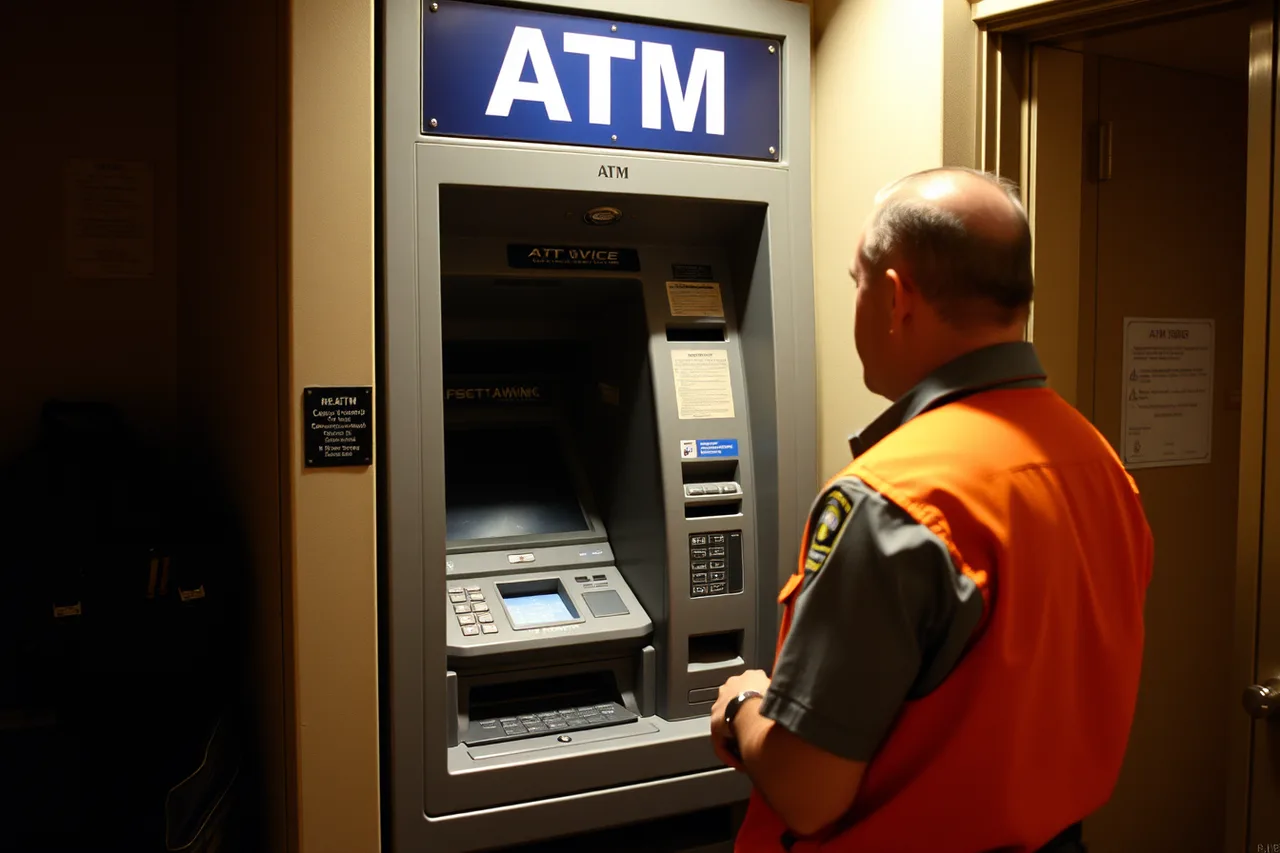
Service windows are tight. A resort may allow service only between certain hours. A bar may allow access any time but want a tech who does not disrupt customers. Both require planning.
atm route startup costs usually cost more than the part that failed. In Las Vegas, the cost includes the cash that sits idle in a broken machine and the venue's lost commission.
Keep spare parts for the models you run. Keep a cash courier who can respond on short notice. Keep a technician who knows the resort access rules. Those three things separate a profitable route from a fragile one.
Security matters too. Cash-heavy machines in tourist areas attract attention. A route that is safe from theft uses tamper alarms, camera coverage and cash limits per machine.
- Confirm each machine's location relative to any gaming area
- Verify Nevada money transmitter registration status
- Keep FinCEN MSB registration current
- File placement agreements with venue compliance contacts
- Build a replenishment calendar around conventions and holidays
- Stock spare parts for every model on the route
- Review cash limits and tamper alarms quarterly
Worked example: a three-machine route near the Strip
Suppose you operate three machines: one in a resort gift shop, one in a locals bar, one in a convenience store near the convention center. The resort machine needs an escort and a fixed service window. The bar machine allows 24-hour access. The store machine runs empty on convention weeks.
Your schedule would treat them differently. The resort machine gets a morning service slot with a property escort. The bar machine gets a flexible stop. The store machine gets extra cash loads during convention weeks. One route, three rhythms.
That is the practical meaning of Nevada gaming compliance for a Las Vegas ATM route. The rules, the property agreements and the tourist calendar all shape where you place machines and when you fill them.